

Authenticity as a Competitive Advantage; When Saying No is the Most Powerful Branding Strategy
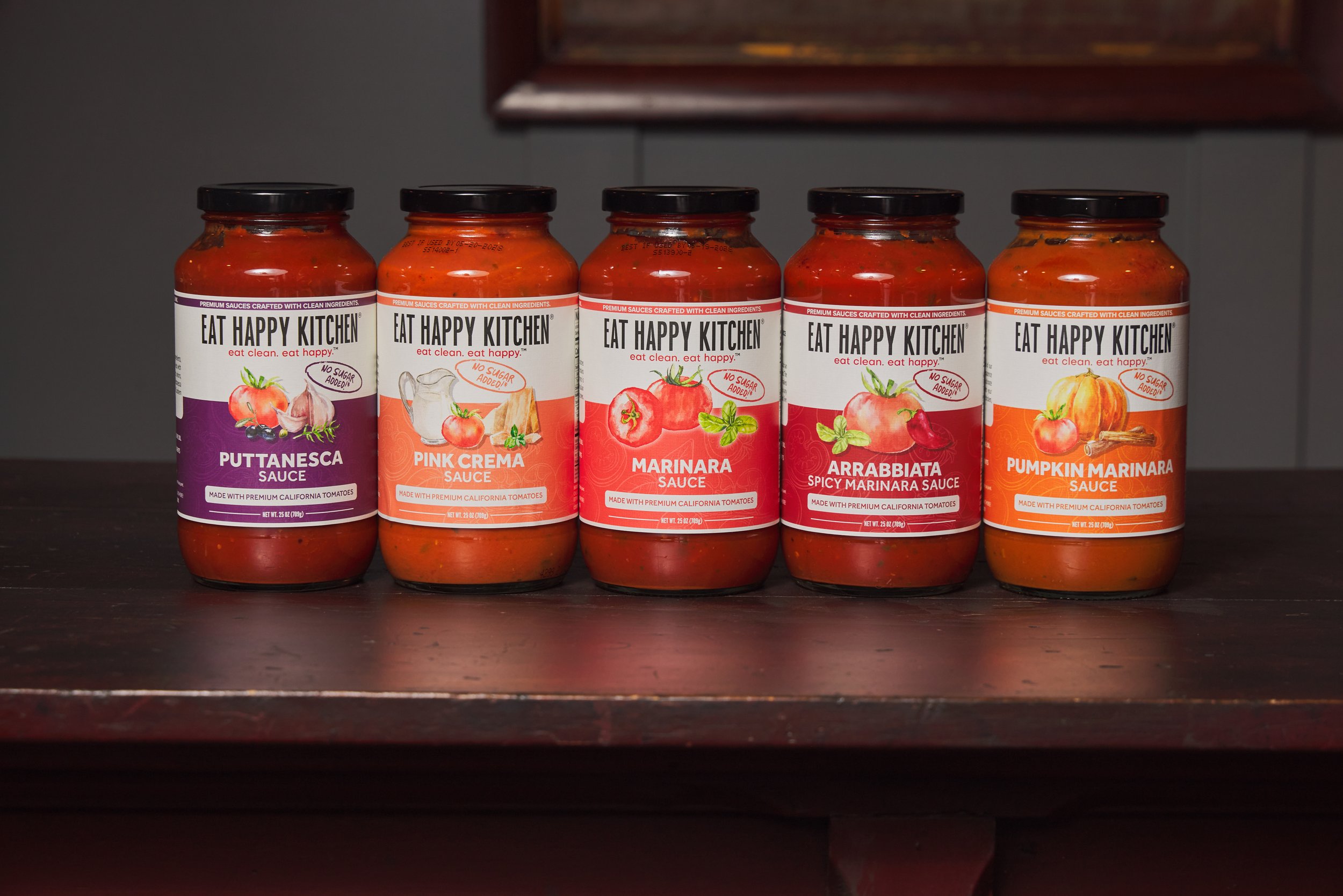
Photo Credit: Joanna Degeneres
Building a consumer brand is often romanticized as a straight line from idea to shelf to scale. In reality, it’s a grind of product decisions, retailer negotiations, cash-flow pressure, and learning which opportunities help your business and which quietly endanger it.
In this Founder Friday blog, we spotlight Anna Vocino, founder of Eat Happy Kitchen, a clean-label food brand built on real ingredients, disciplined growth, and deep customer trust. Her journey offers practical, experience-driven lessons for founders building physical products in competitive retail environments.
Lesson 1: Product Comes Before Growth
Eat Happy Kitchen was built around a clear product philosophy: food made with clean, simple ingredients that customers can trust. From pasta sauces and snack foods to pantry staples, the brand focuses on flavor, quality, and ingredient integrity, not trend chasing.
Anna emphasized that no amount of marketing or distribution can fix a product that isn’t tuned in to what consumers are seeking. This clarity led to a full rebrand and packaging overhaul when the original presentation no longer matched the quality inside.
Retail buyers notice. Consumers notice even more.
Founder Friday Takeaway: Before chasing scale, make sure your product earns repeat customers not just first-time buyers.
Lesson 2: Retail Wins Can Create Hidden Risk
Getting into retail is often heralded as the ultimate validation for a food brand. Eat Happy Kitchen landed early regional accounts, including natural grocery chains like Lassens in Southern California, where Anna personally walked the product into stores and built relationships at the ground level.
But retail success came with hard lessons. Shelf space is not permanent. Promotions cost money. Velocity matters more than visibility. “You have to make peace with the fact that you can be on the shelf and then not,” Anna explained. Growth that outpaces cash flow can quietly sink a brand.
Founder Friday Takeaway: Retail exposure is not the same as retail sustainability. Know your numbers before you say yes.
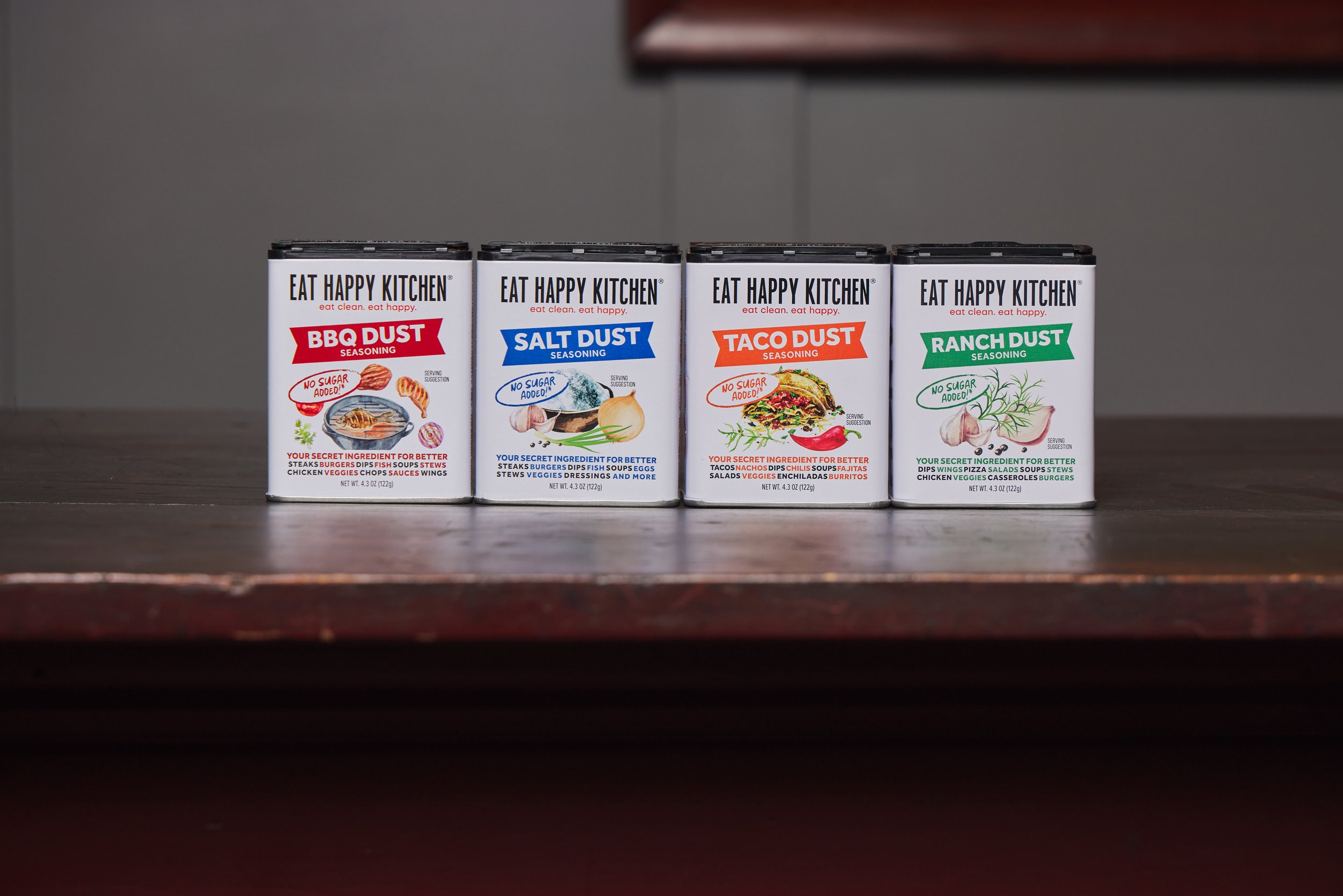
Photo Credit: Joanna Degeneres
Lesson 3: Marketing Is Hands-On, Not Hypothetical
Eat Happy Kitchen didn’t grow through massive ad spend. It grew through grassroots efforts like email marketing, social media, in-store demos, and direct customer connection. Anna spent time talking to customers, cooking with the products, and showing people how to actually use them in everyday meals.
“Talking to people, demoing cooking recipes with the products is where trust is built,” she said. That customer-first approach informed everything from product development to messaging and future R&D decisions.
Founder Friday Takeaway: If you don’t know how customers use your product, then you’re guessing, not building strategically.
Lesson 4: Scarcity Forces Focused Innovation
Despite demand and ideas for expansion, Eat Happy Kitchen resisted launching new product lines too quickly. Retail partners pushed. Customers asked. But Anna chose restraint. “We don’t have a new product line. We’re in R&D,” she shared.
Limited resources required focus: improving existing SKUs, tightening operations, and protecting quality. Scarcity sharpened the business instead of stalling it and forced her to be intentional, creative, and focused. Every decision had to earn its place.
Founder Friday Takeaway: Innovation isn’t about adding more. It’s about improving what already works.
Lesson 5: Relationships Are the Real Currency
From store managers to brokers to customers, relationships are foundational to Eat Happy Kitchen’s survival. “If you don’t have relationships, you don’t have anything,” Anna said plainly.
People who believed in her, advocated for her brand, and gave honest feedback made the difference between stalling out and moving forward. This is a wonderful reminder that who you build with matters just as much as what you build.
Relationships keep brands on shelves and open doors to new opportunities.
Founder Friday Takeaway: Products get you noticed. Relationships keep you in business.
Eat Happy Kitchen wasn’t built overnight or recklessly. It was built through product discipline, retail realism, and the courage to say “no” when a financially cheaper “yes” would have cost the brand its integrity.
The path of Eat Happy Kitchen offers valuable insight for new founders who are building with vision, grit, and long-term sustainability in mind. Launching and growing a company is rarely as simple as saying yes to opportunity and watching growth follow.
Successful companies aren’t built on hype. They’re built on hard decisions, strong relationships, and staying power. For founders just starting out, Anna’s journey offers reassurance: you don’t have to do everything fast, you have to do it wisely.
To learn more about Anna’s story, click here to check the Second Act Stories episode: Actress Turned CEO: Anna Vocino’s Path to Eat Happy.