

The Crunch of Entrepreneurship - Proven strategies for testing, scaling, and sustaining a business
Welcome to MasonMade’s Founder Friday series! Every other week we highlight a founder as they share lessons learned and key takeaways. To be featured in our series or nominate another founder, email jennifer@masonmade.co.
Starting a business is rarely a straight path. For Jonathan Marcus, a former Mastercard executive and financial services consultant, the leap into entrepreneurship with his company, Rose Sisters Chips wasn’t about chasing money or prestige. It was about finding meaning. After years in the corporate world, he realized that boredom and dissatisfaction were signs it was time to pursue something different.
Remembering his grandmother’s advice to follow his true calling, he stepped away from the safety of a paycheck and into the unknown world of food manufacturing. What began with a beloved family recipe, an old Polish rye bread seasoning adapted into a tortilla chip, soon became the foundation of a bold new venture.
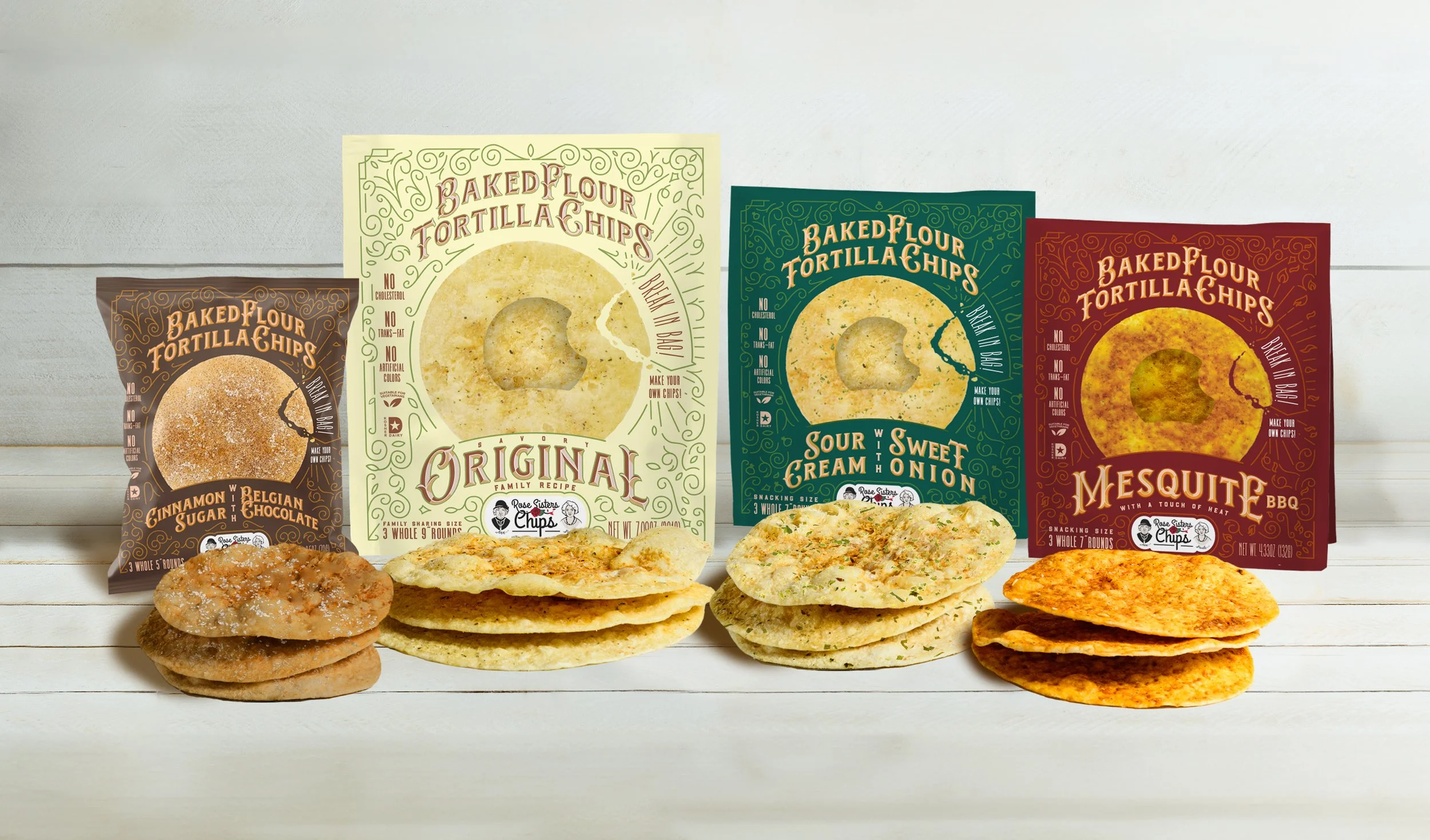
The first product, Original Family Recipe (Savory) has since grown into multiple varieties including: Mesquite BBQ With Heat, Sour Cream With Sweet Onion, and Cinnamon Sugar With Belgian Chocolate.
Jonathan’s story shows that entrepreneurship is as much about persistence and problem-solving as it is about passion.
Lesson 1: Follow Your True Path
Jonathan’s transition from corporate life to entrepreneurship began with a realization: he was unfulfilled. Despite a successful career, he found himself disengaged and uninspired. What turned it around? His grandmother’s family recipe for tortilla chips.
“For years, we enjoyed the seasoned bread at family gatherings, and we gave it as housewarming gifts,” Marcus said. “Everyone said we should be selling it but it didn’t resonate with us at the time.”
Yet after thirty years of hearing “You should be selling these,” Jonathan and his wife decided to act as he realized it was time to follow his passion and draw on the legacy of his family.
Future Founder Takeaway: Boredom can be a sign that it’s time to create something new that aligns with your values and passions. Don’t ignore the advice of friends and family, even if shared in jest.
Lesson 2: Test Before You Make the Big Leap
Jonathan didn’t immediately jump into mass production of the chips. He started small, testing them at a local boutique market. The positive response at these venues validated the product and provided their first customer.
Future Founder Takeaway: Before you invest heavily into your business, test the idea in the real world. Small wins build the foundation for bigger opportunities, enable you to work out any operational challenges, and begin building relationships.
Lesson 3: Quality Comes First in Scaling
When Jonathan first launched the business, he outsourced manufacturing to a co-packer. It wasn’t long before he realized that the product quality was beginning to slip out of his control. The chips weren’t the same, and the partnership had limitations. This taught him that scaling without protecting quality could cost more than it saved, potentially hurting the brand.
He decided to explore bringing manufacturing in-house. Despite reaching out to numerous consultants and engineers, he found it challenging to find affordable help. The family discussed the development of their own production line, which after much trial and error, came to fruition about eighteen months later.
Future Founder Takeaway: Growth without quality isn’t growth. It’s compromise. Protect the integrity of your product as you scale.
Lesson 4: Marketing Is Education
Jonathan designed the initial packaging for the chips on a napkin during a flight. While clever, it wasn’t enough to explain the uniqueness of the product. It took multiple iterations and working with an expert designer before customers fully understood what they were buying.
As the company grew, Jonathan recognized that a critical piece of his marketing was that it had to help consumers understand why these chips were different. Social media, in-store demos, and appearances on platforms like QVC and HSN all became tools for education as well as sales channels.
Future Founder Takeaway: Your marketing isn’t just about selling; it’s teaching people why your product matters and why it’s unique. Packaging is your silent salesperson. Make sure it communicates clearly, not just creatively.
Lesson 5: Systems Sustain the Business
Beyond passion and creativity, Jonathan emphasized the unglamorous but essential role of accounting systems. Jonathan recognized that managing finances, inventory, and billing properly is the backbone of the operation and future growth of a manufacturing enterprise. You have to manage to reliable numbers.
Not knowing the “nuts and bolts” of your business is risky and can cost you money. Investing in quality systems that help you to streamline operations is critical to early and sustainable success.
Future Founder Takeaway: Build strong systems early. Passion gets you started; structure keeps you standing.
Lesson 6: Sacrifice Comes with the Territory
Jonathan launched his company at an age when many people are planning for retirement. Yet, he was determined to make it a success. Long hours, blending family and business, and financial strain became his daily reality.
Yet, he has no regrets because the work honored his family’s legacy and brought a sense of satisfaction and pride he hadn’t experienced before. He notes that he is no longer bored and unfulfilled!
Future Founder Takeaway: Entrepreneurship demands sacrifice, but purpose makes the sacrifice worthwhile.
Jonathan’s story is a reminder that entrepreneurship is both a grind and a gift. For future founders, the lessons are clear: test small, protect quality, market wisely, and build systems that last. Jonathan learned what it truly takes to define success on your own terms; insights that every aspiring business owner can carry forward.